March 15, 2024•Wildlife Identification
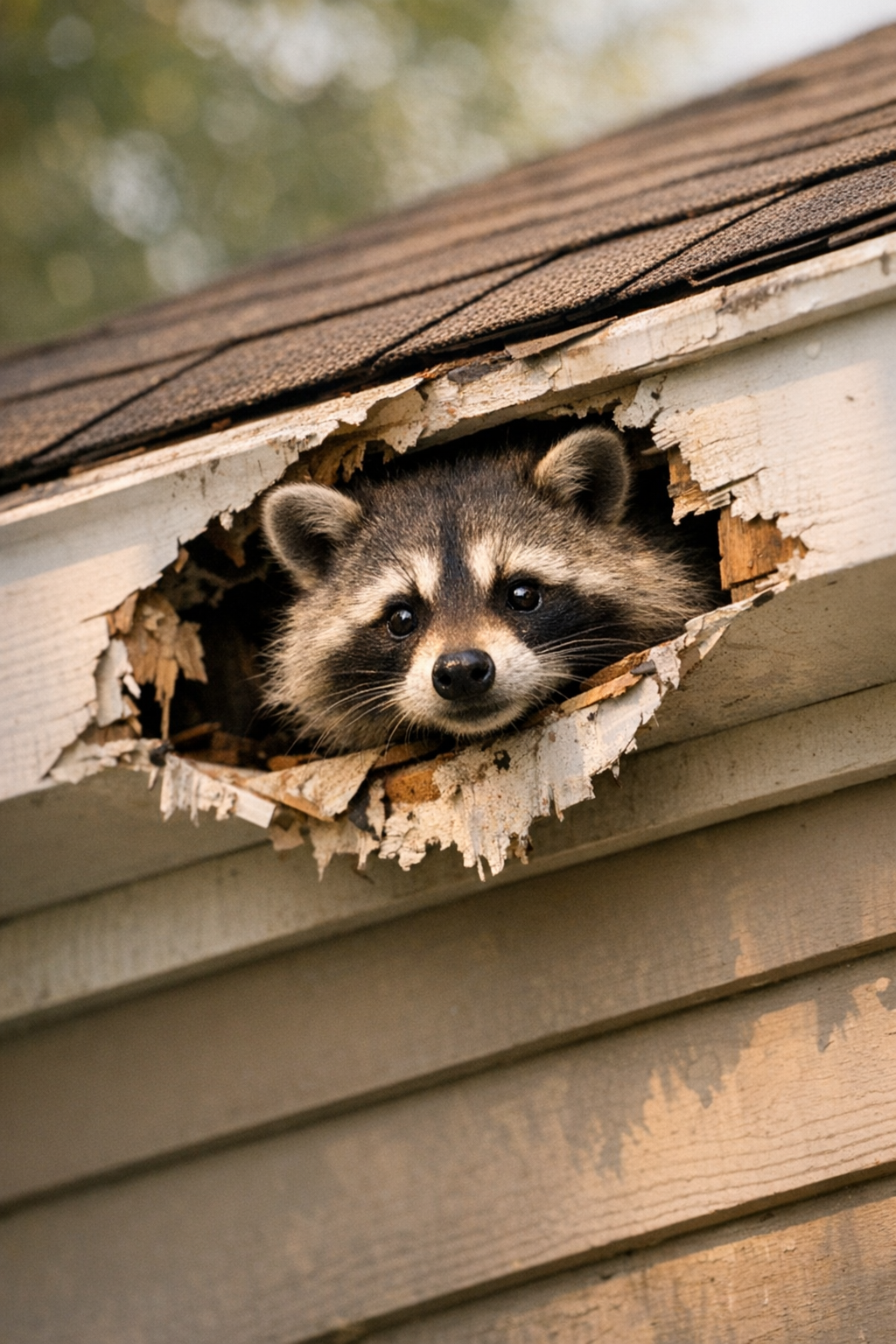
5 Signs You Have Raccoons in Your Attic
Heavy thumping at night, torn insulation, and piles of droppings are just a few of the warning signs that raccoons have moved into your attic.
Read MoreEducational content, prevention tips, and expert advice from Louisville's wildlife control professionals
Browse articles by topic to learn more about specific wildlife issues and prevention strategies.
Heavy thumping at night, torn insulation, and piles of droppings are just a few of the warning signs that raccoons have moved into your attic.
Read More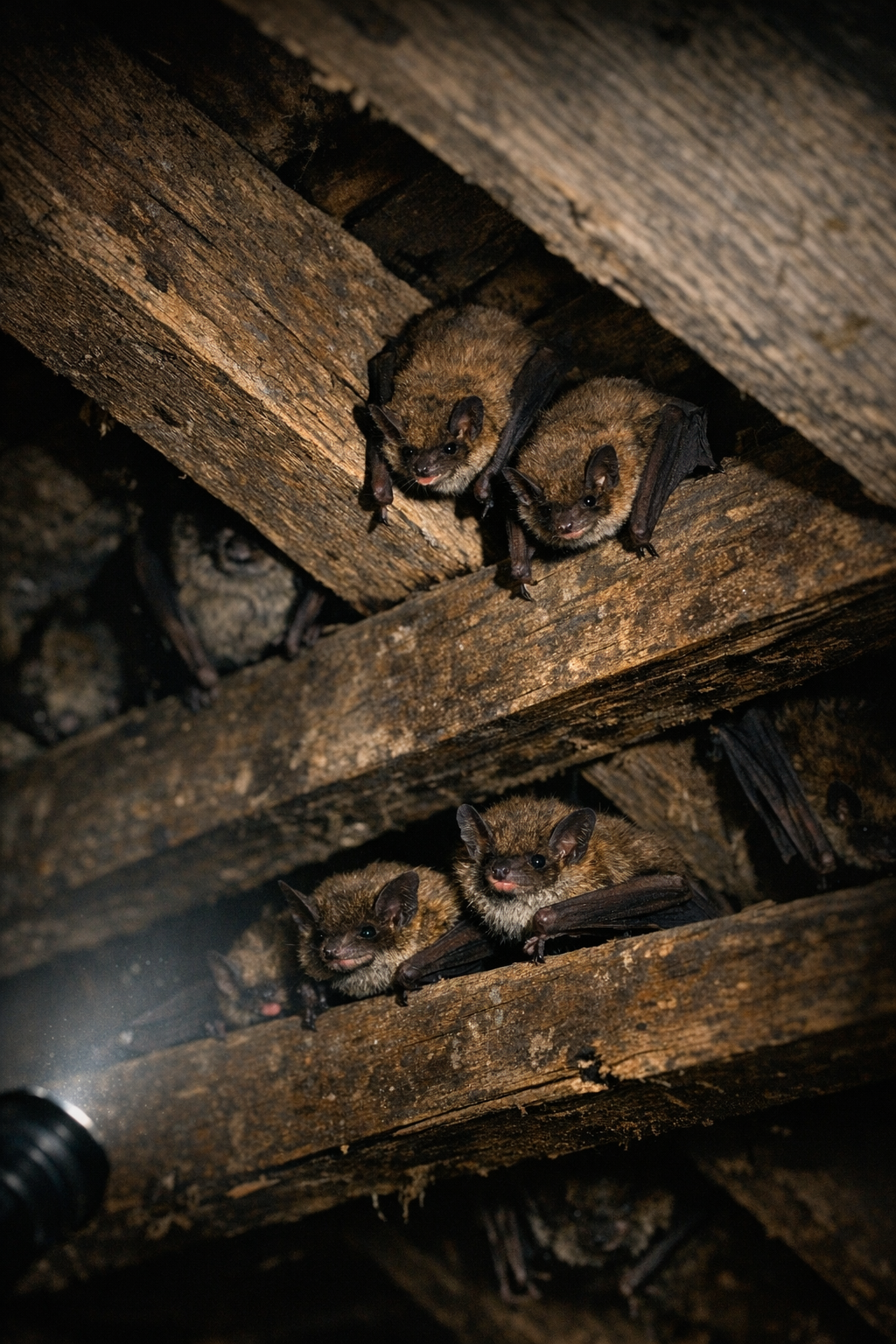
From rabies risk to legal protections, we explain why bats should only be removed by trained, licensed wildlife professionals.
Read More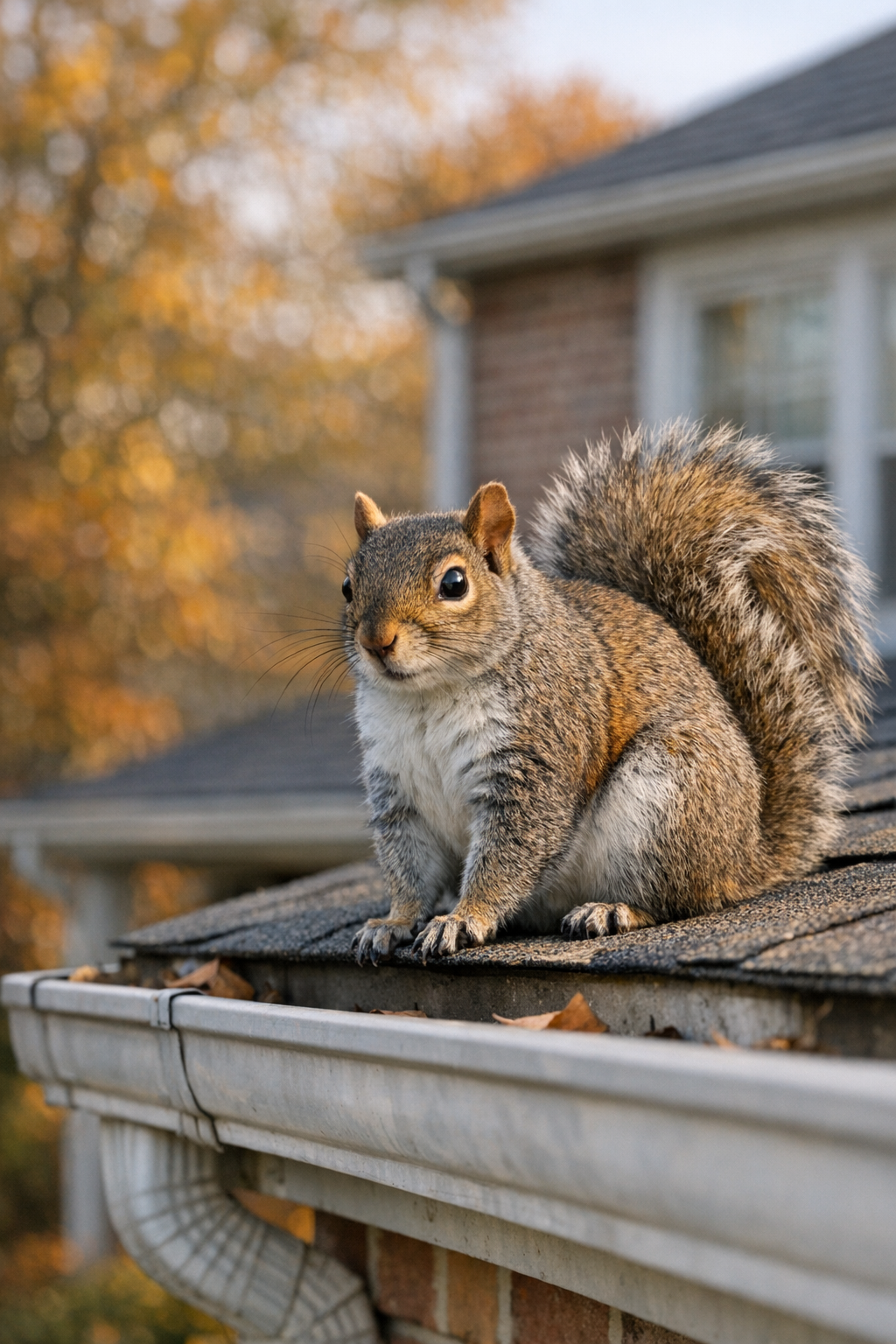
Learn simple prevention steps—like trimming branches and sealing gaps—that keep squirrels from chewing wiring and nesting in your attic.
Read More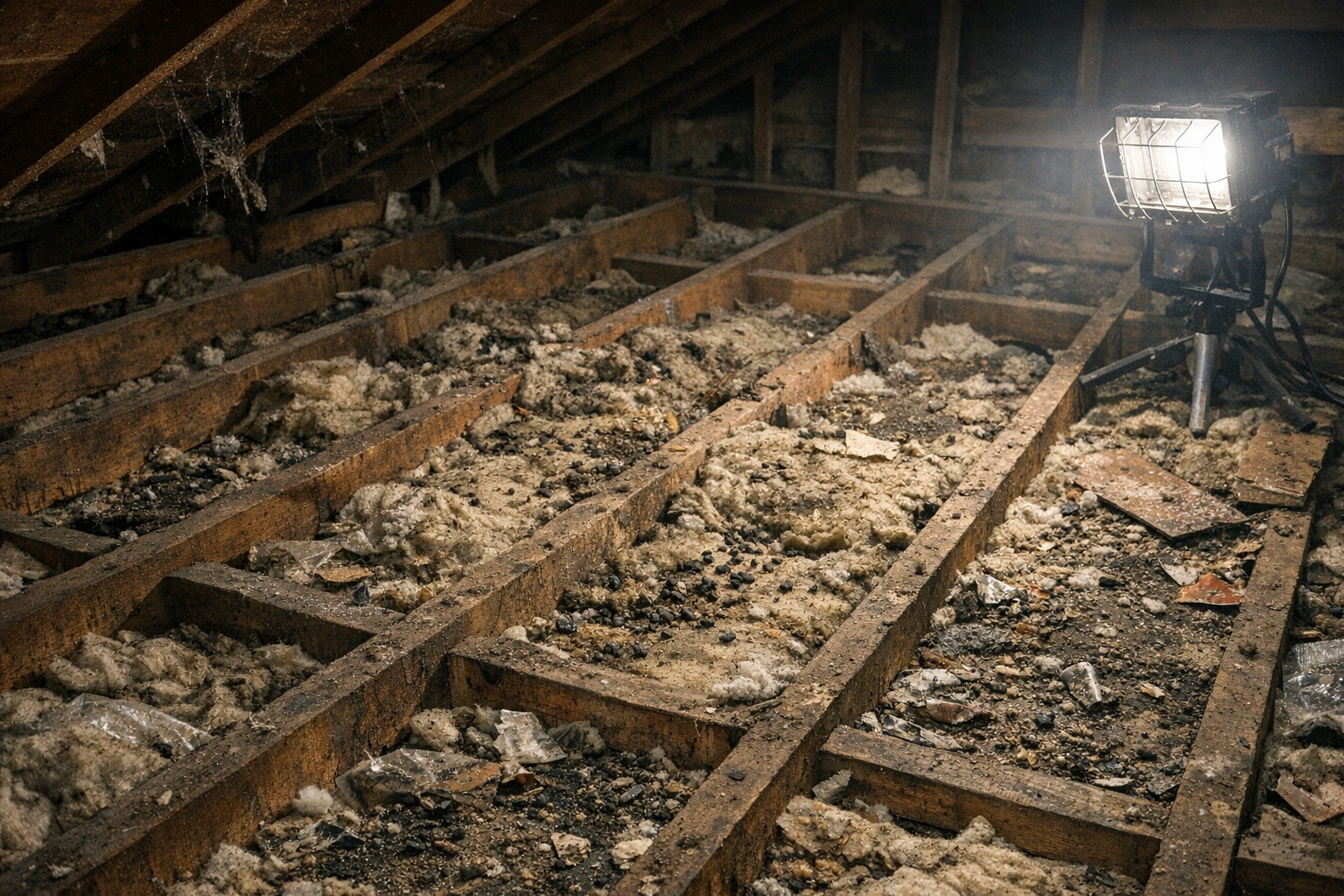
Wild animals can spread disease, destroy insulation, and even create fire hazards by chewing electrical wiring.
Read More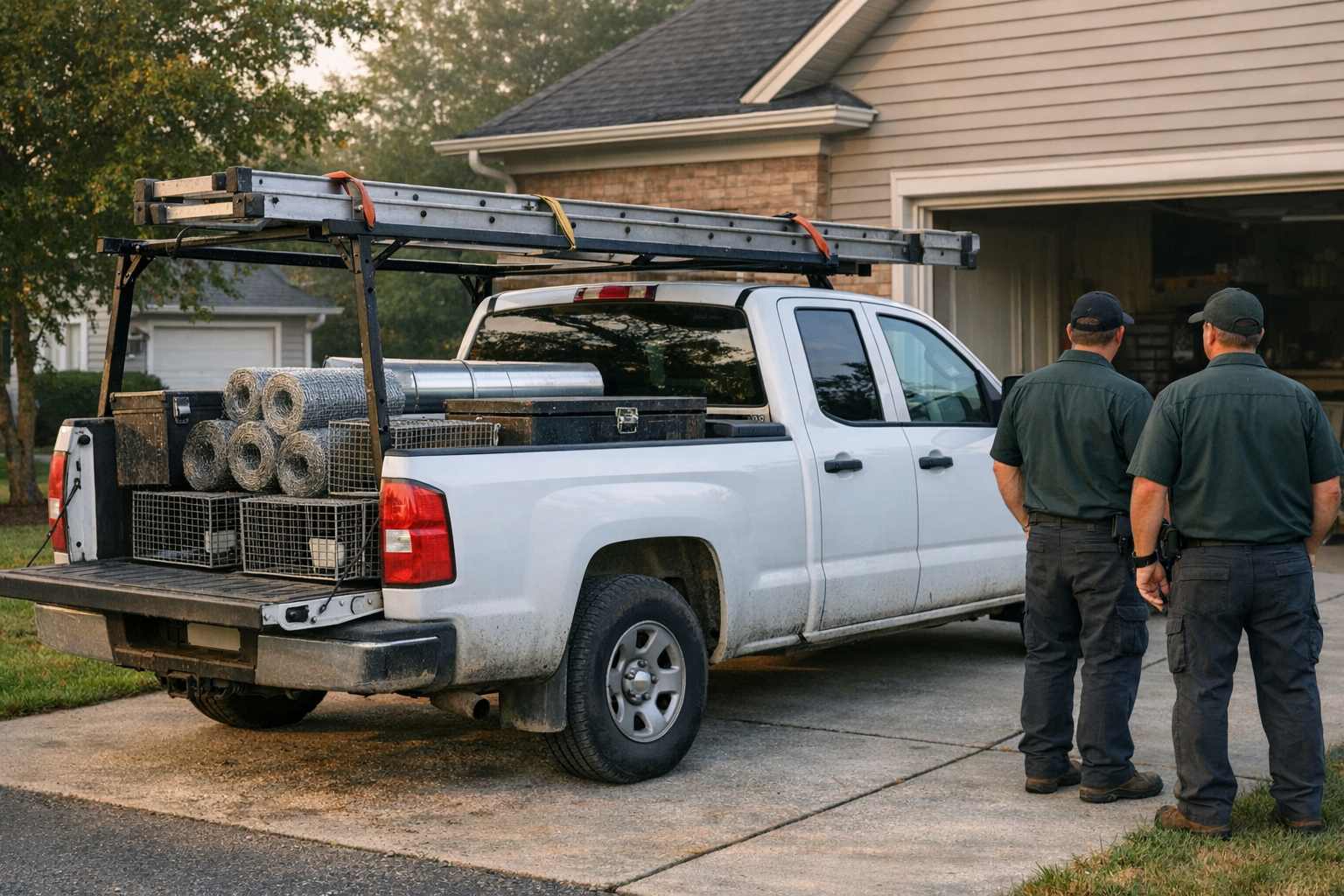
Licensing, insurance, humane methods, and customer reviews are key factors when choosing a wildlife control professional.
Read More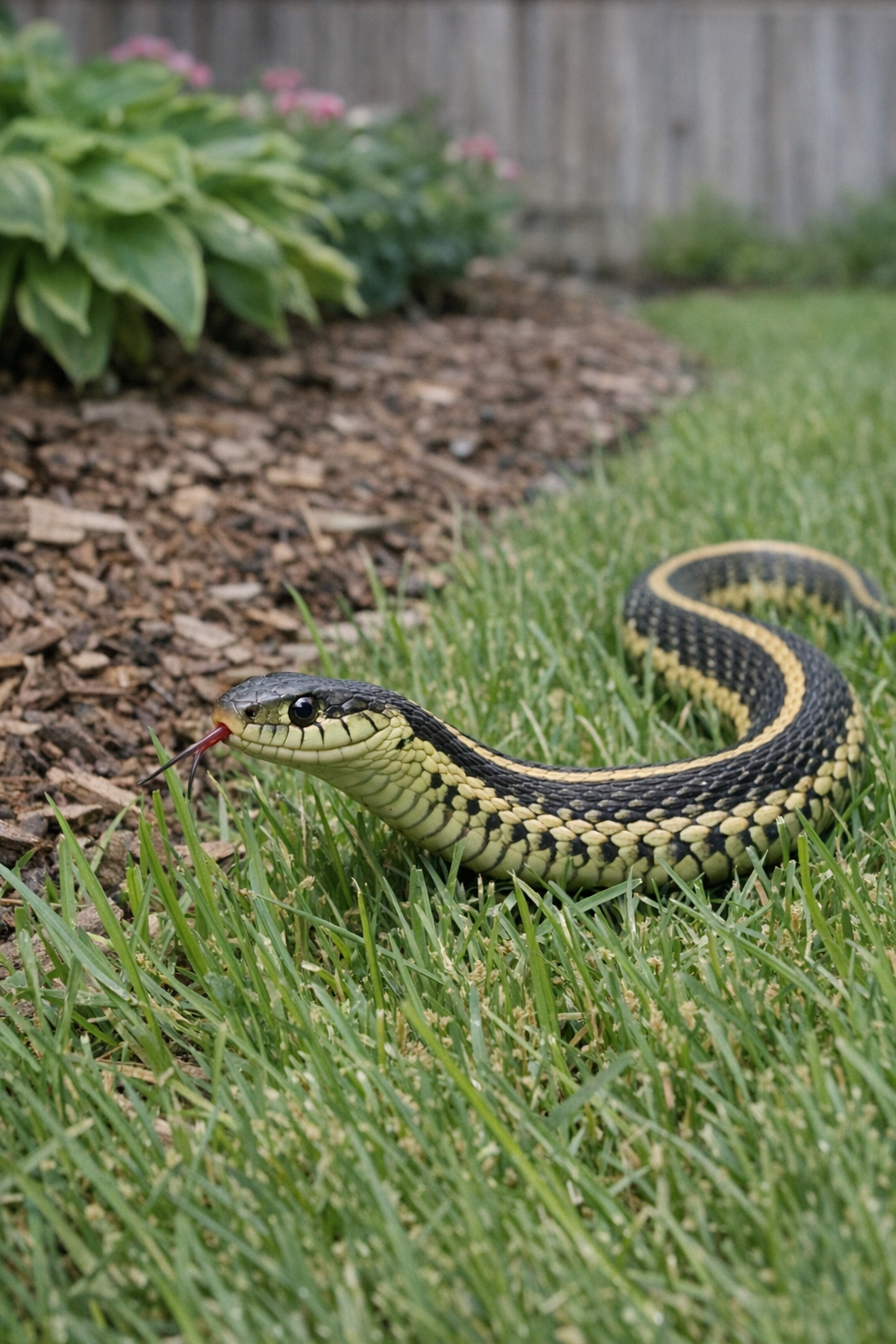
We break down when snakes are most active around Louisville and how to reduce encounters in your yard and crawl space.
Read More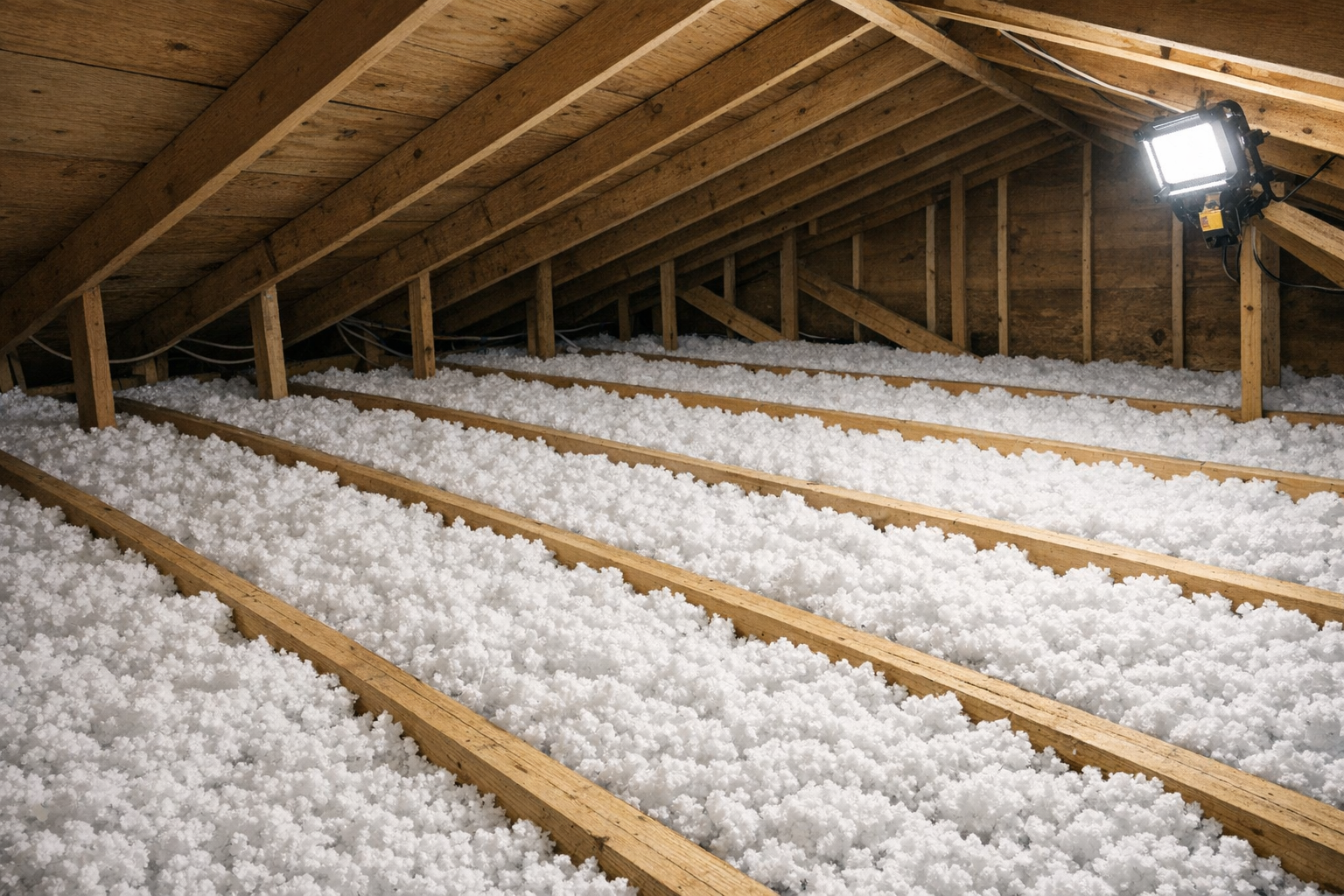
From contaminated insulation to chewed wiring, learn what a complete attic restoration includes after animals are removed.
Read More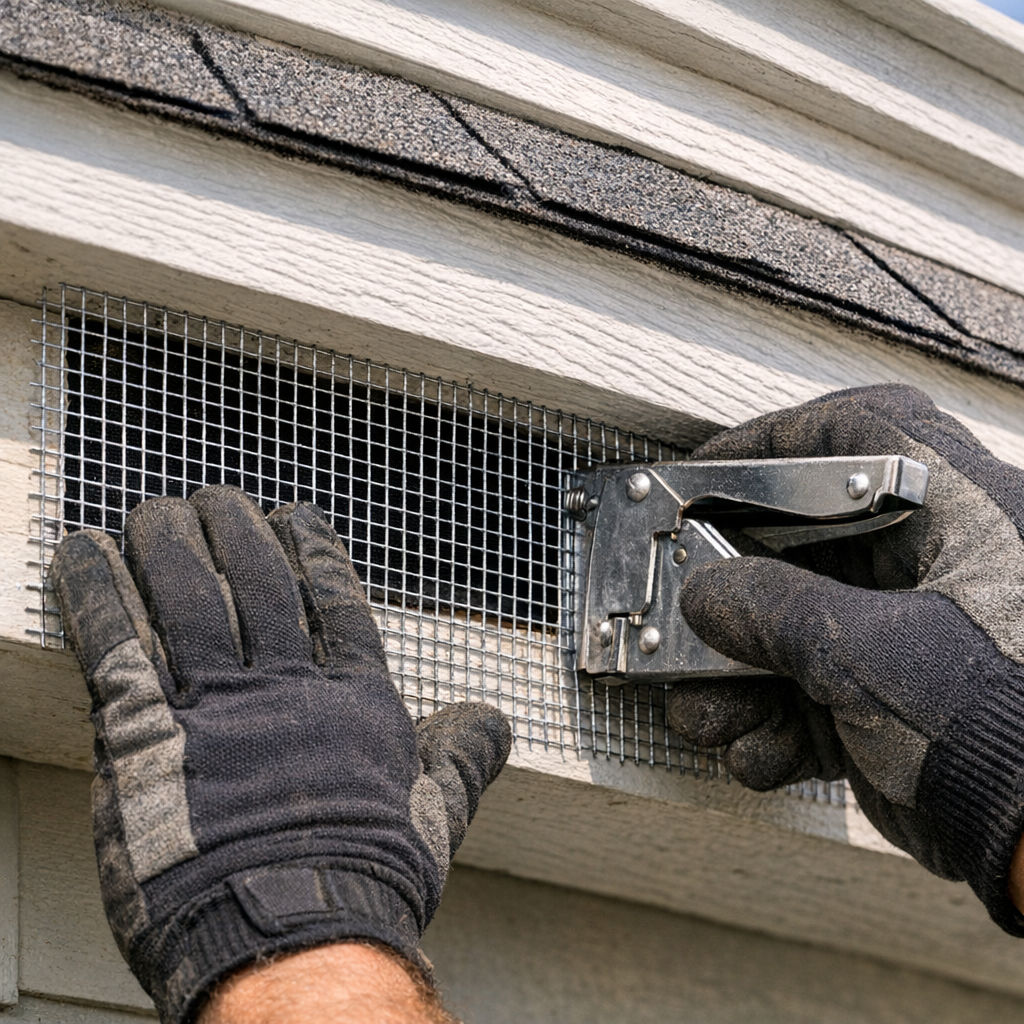
We explain one-way doors, sealing entry points, and other humane exclusion techniques that prevent re‑infestations.
Read More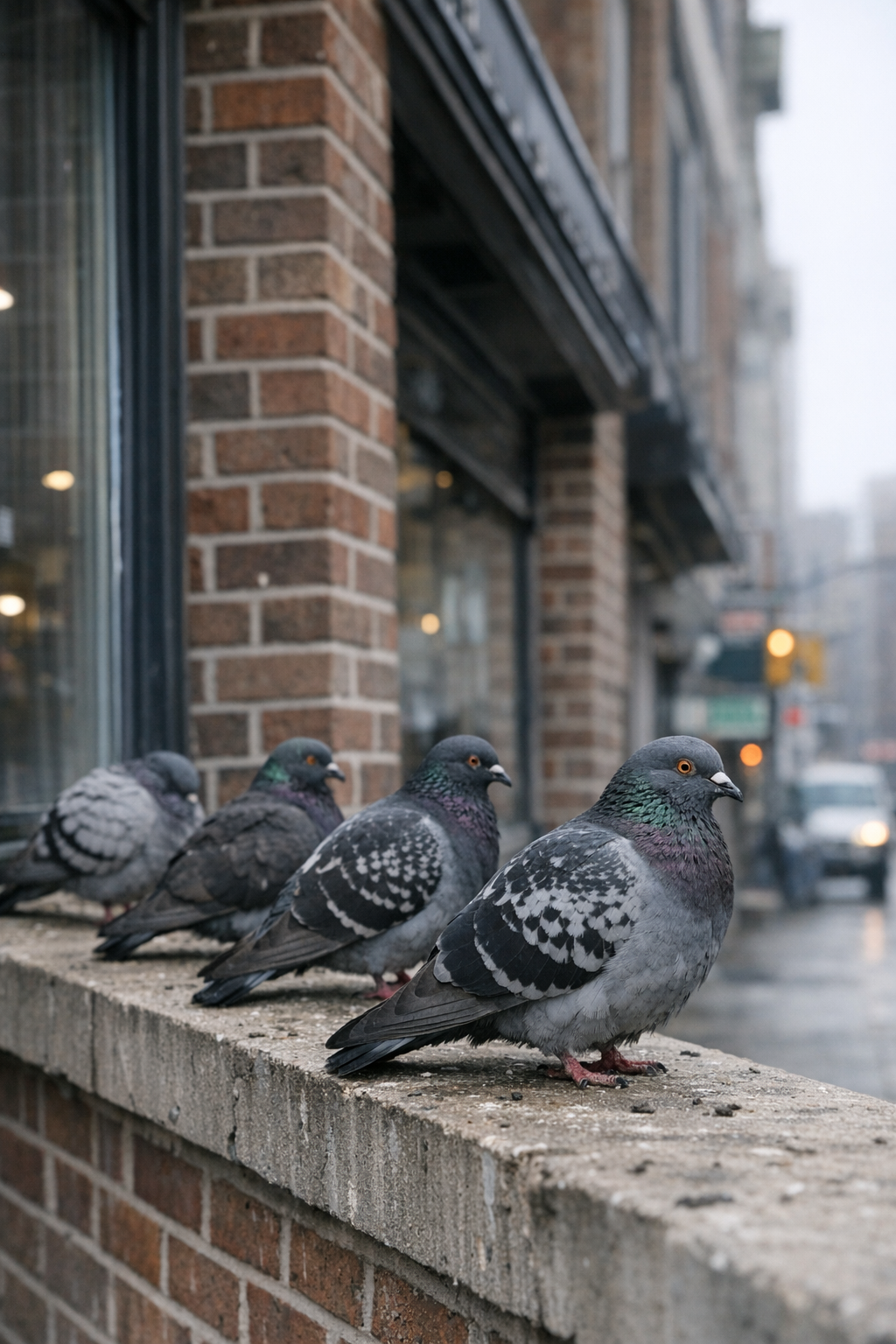
Droppings, nesting, and noise can all impact businesses—here’s how we humanely manage bird problems at commercial sites.
Read More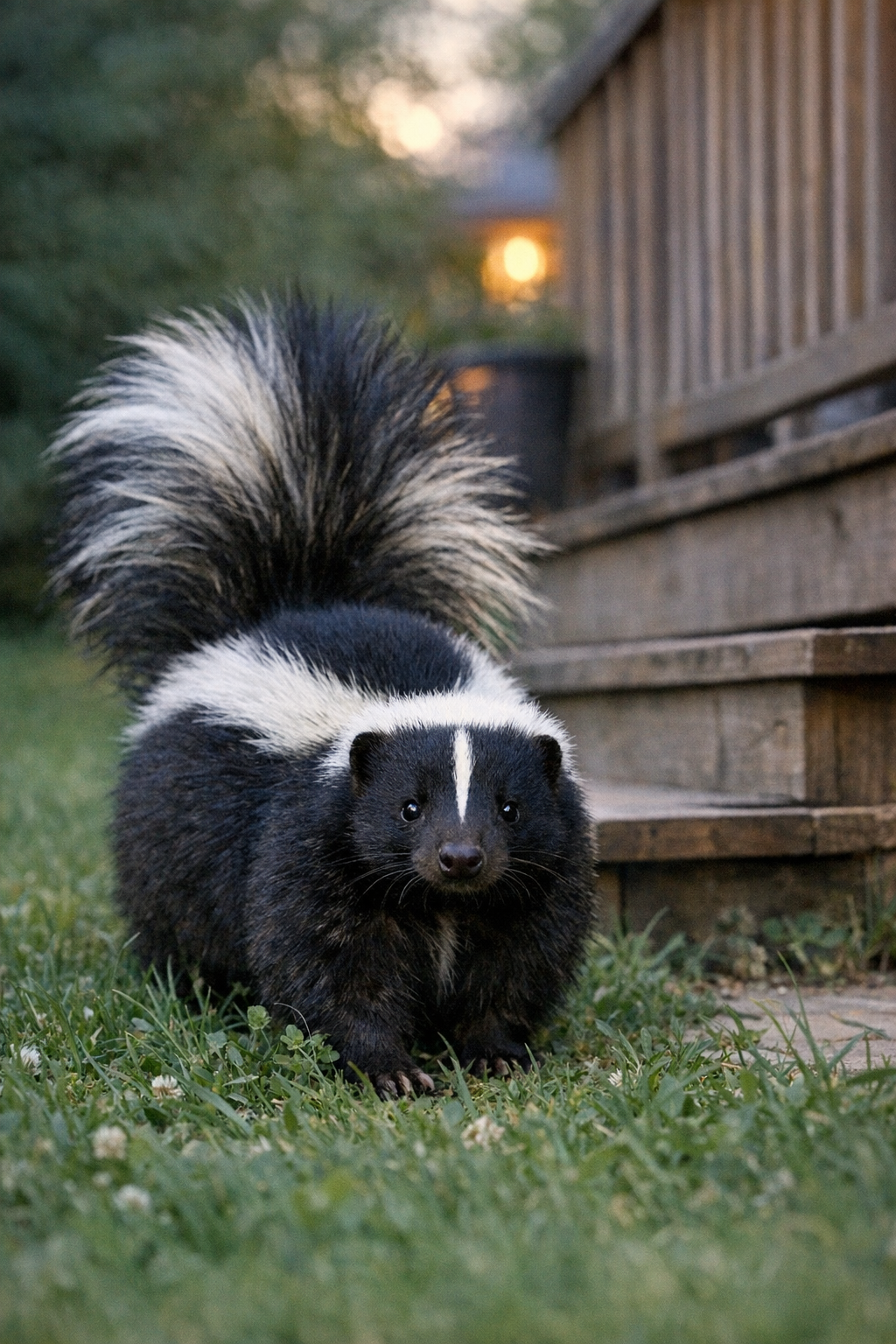
A sudden skunk odor near your home may signal a den under your deck, porch, or shed—learn what to look for next.
Read More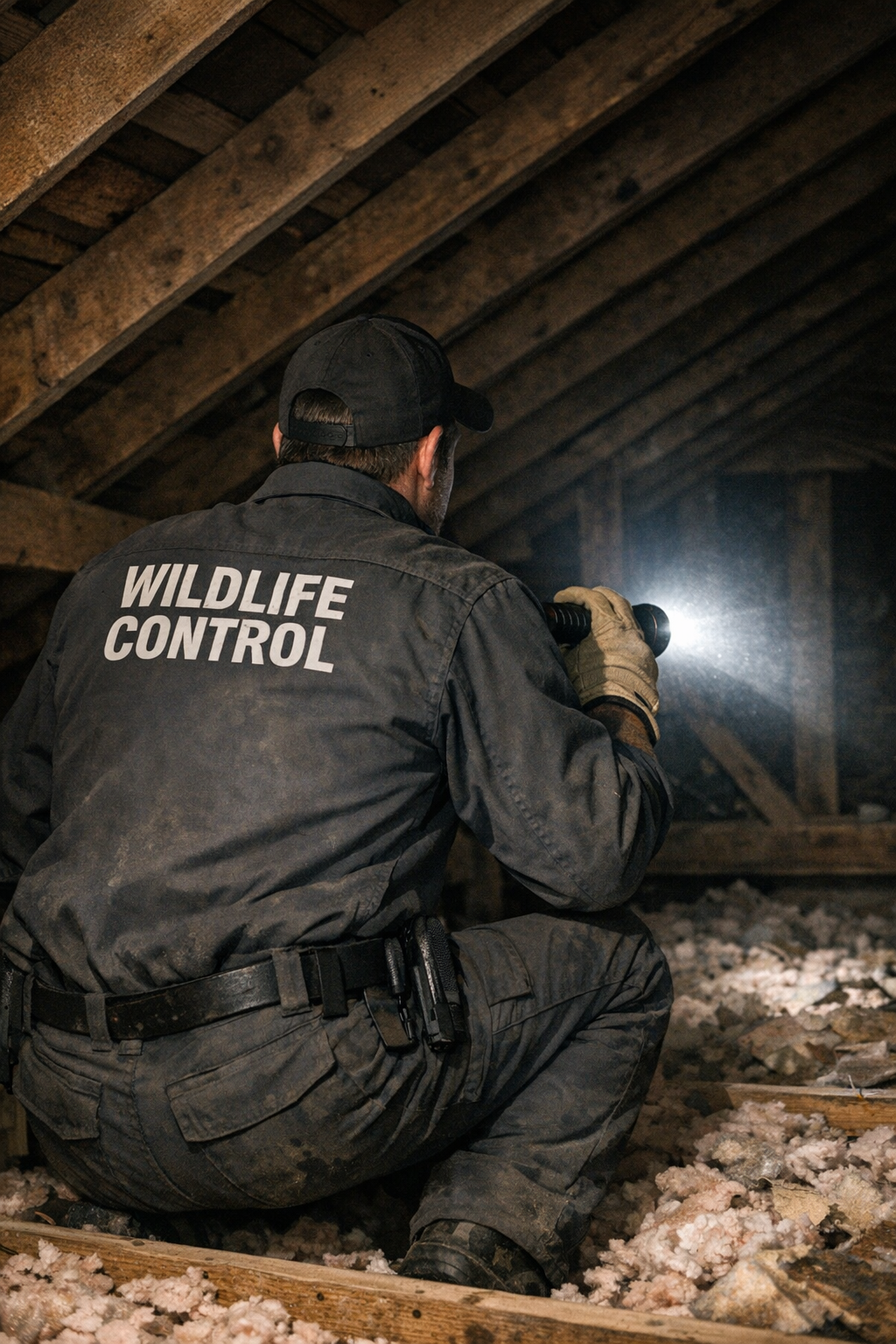
We break down whether nighttime scratching and thumping noises are likely from raccoons, squirrels, or something else.
Read MoreRodents and squirrels often gnaw on wiring, dramatically increasing the risk of electrical fires in your home.
Read MoreTraps from the hardware store, bleach, and repellents rarely solve wildlife problems and can even make them worse.
Read MorePhotos and descriptions to help you tell the difference between raccoon, cat, and dog droppings and footprints.
Read More
From spring baby season to winter denning, learn how wildlife behavior shifts throughout the year in our area.
Read More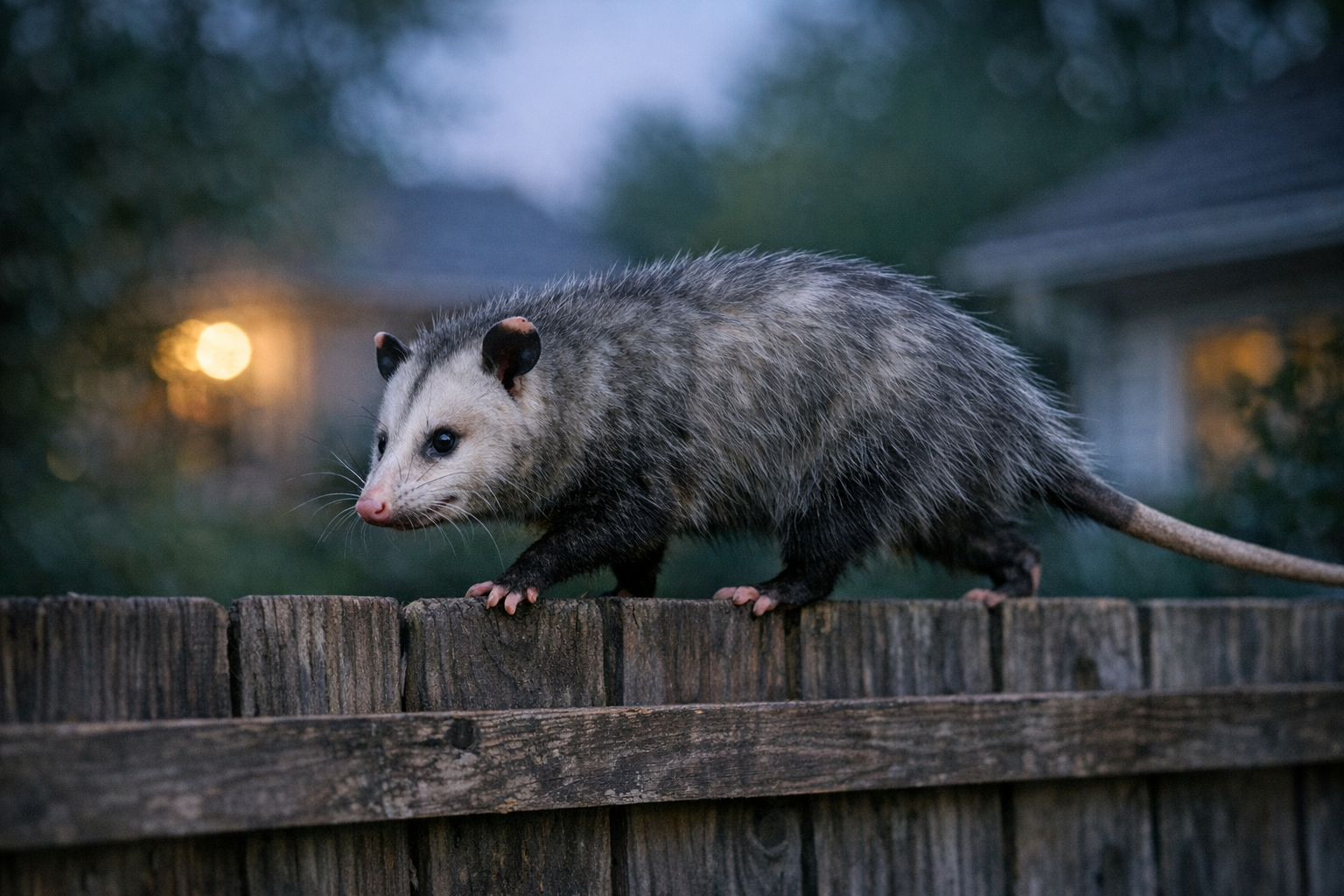
Understand the difference between traditional pest control and true humane wildlife removal and exclusion.
Read MoreWe explain when insurance may help pay for wildlife damage and what questions to ask your agent.
Read More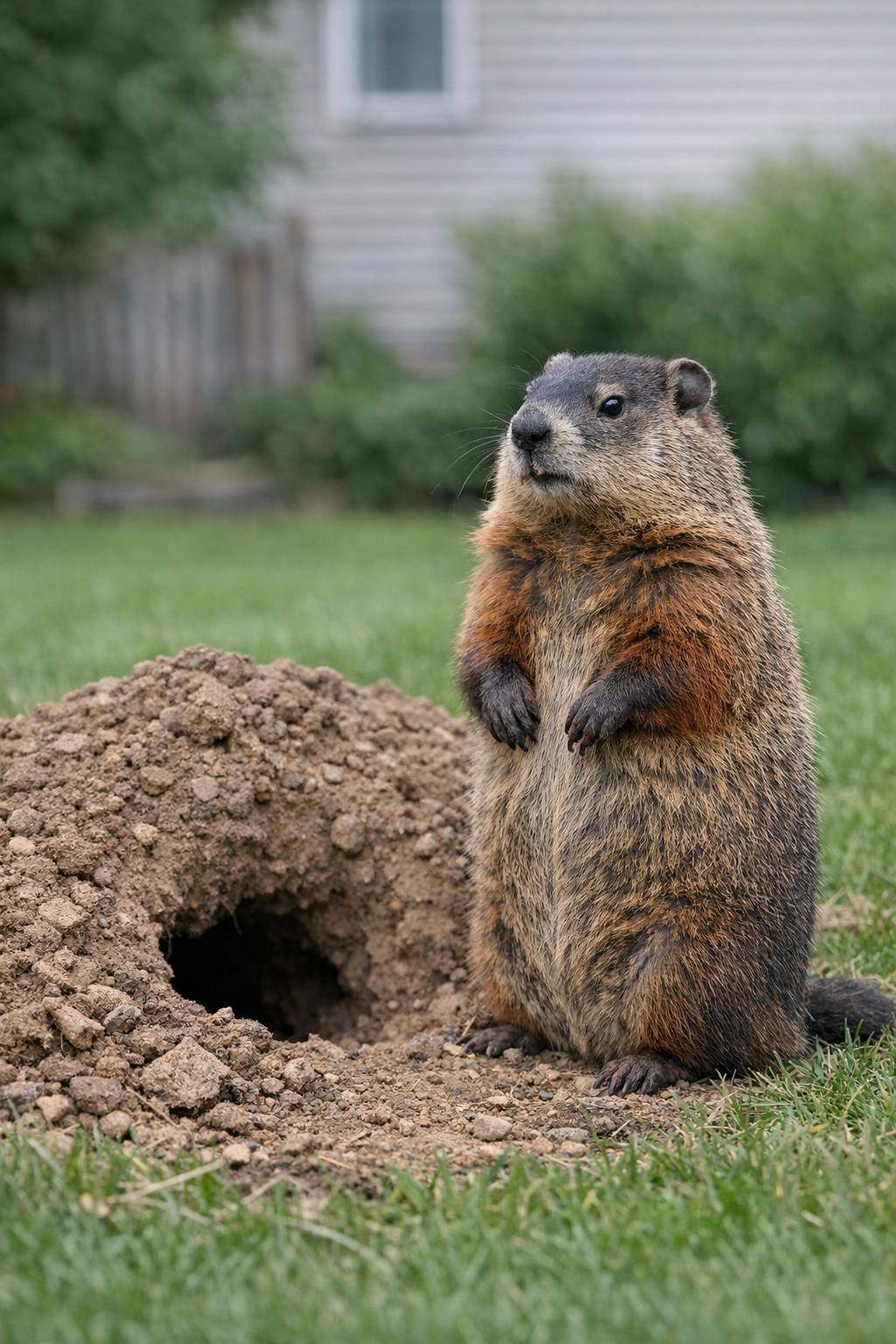
Learn how to recognize groundhog burrows, why they form, and what can be done to stop ongoing damage.
Read More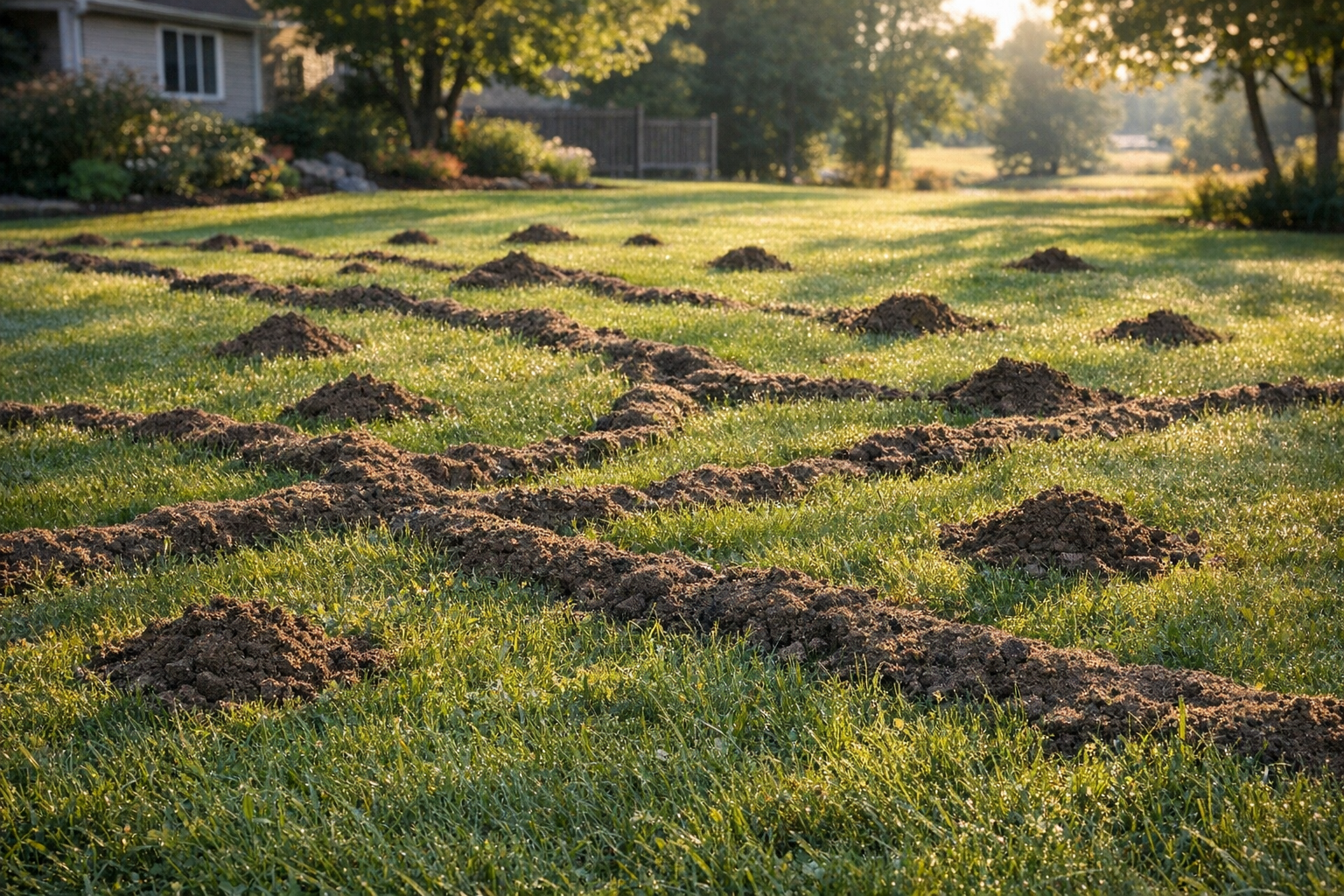
Raised tunnels, volcano mounds, and plant damage help reveal whether moles or voles are to blame.
Read MoreSealing entry points with wildlife still present can trap animals inside walls and attics, creating bigger problems.
Read MoreWe outline safe steps for dealing with dead animals and explain why professional removal and cleanup is best.
Read MoreSpring and early summer bring litters of babies—learn why timing is critical for humane, effective removal.
Read MoreRoof returns, soffits, chimneys, and foundation gaps are just a few of the spots we check on every inspection.
Read MoreA step-by-step look at what happens during a professional wildlife inspection of your home or business.
Read MoreOpossums eat ticks and pests but can still cause problems in attics and crawl spaces—here’s when to worry.
Read MoreBat-proofing is a precise process that requires sealing dozens of small gaps after a careful exclusion.
Read More
We highlight the Louisville neighborhoods that tend to see the most squirrel activity and why.
Read MoreDroppings, urine, and nesting material can all affect the air you breathe—especially around HVAC systems.
Read MoreLearn which situations—like animals in living spaces or down chimneys—require urgent same‑day service.
Read More
We outline how wildlife issues are typically handled between tenants, landlords, and property managers.
Read MoreRoutine inspections, trimming trees, and sealing vulnerabilities can dramatically reduce future wildlife issues.
Read MoreHistoric homes in areas like Old Louisville and The Highlands require delicate, preservation-minded wildlife solutions.
Read MoreShared walls, crawl spaces, and older roofs make many rental properties especially vulnerable to wildlife issues.
Read MoreMake the most of your appointment by asking about entry points, repair options, and long-term prevention.
Read MoreOne-way doors allow animals to exit safely while preventing them from getting back inside—without trapping babies.
Read MoreTimelines vary by species and severity—learn what to expect from inspection to final repairs.
Read MoreWe walk you through the entire inspection process, from attic checks to exterior roofline assessments.
Read MoreDon't wait - contact us today for fast, effective service
Call (502) 200-9943