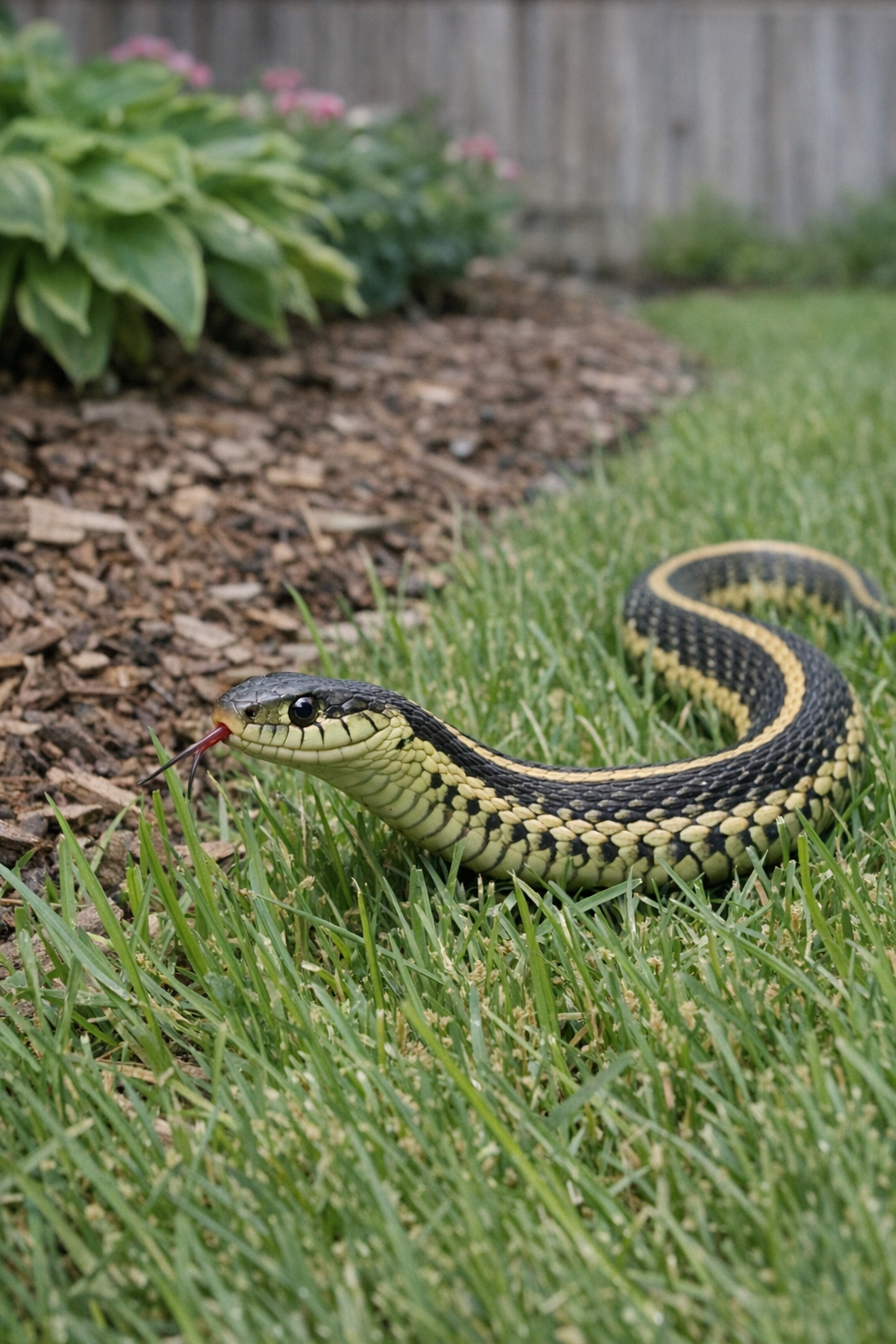
Kentucky is home to 33 species of snakes, and the Louisville area sees a good number of them. The vast majority are completely harmless — in fact, most are beneficial, keeping rodent populations in check. But snake encounters around your home can be unsettling, and knowing what to expect throughout the year can help you stay prepared.
Here's a breakdown of snake activity patterns in the Louisville area and what you can do to reduce encounters on your property.
When Are Snakes Most Active in Louisville?
Snakes are ectothermic — they rely on external heat sources to regulate their body temperature. This means their activity levels are directly tied to the weather. In the Louisville area, snakes are most active from April through October, with peak activity in the warmer months of May through September.
Spring is when snakes first emerge from their winter dormancy (called brumation). They'll often be seen basking in sunny spots to warm up. This is also when they're most likely to be encountered in unexpected places — they're actively moving around after months of inactivity.
Summer is peak activity season. Snakes are feeding, breeding, and in some cases giving birth (most Kentucky snakes give birth to live young rather than laying eggs). You're most likely to encounter snakes in your yard, garden, or near water features during this period.
Fall brings another period of increased movement as snakes seek out winter den sites. They may travel significant distances to reach suitable hibernation spots, which can bring them into contact with homes and outbuildings.
Kentucky's Venomous Snakes: What to Know
Kentucky has four venomous snake species: the copperhead, the cottonmouth (water moccasin), the timber rattlesnake, and the pygmy rattlesnake. In the Louisville metro area, the copperhead is by far the most commonly encountered venomous species.
Copperheads are medium-sized snakes with a distinctive hourglass pattern in shades of brown and copper. They're found in wooded areas, rocky hillsides, and suburban neighborhoods with mature trees. They're not aggressive, but they will strike if stepped on or handled.
The cottonmouth is found primarily in western Kentucky and is less common in the Louisville area, though it can be found near rivers and wetlands. Timber rattlesnakes are present in the region but are more common in rural, forested areas.
If you encounter a snake you can't identify, the safest approach is to leave it alone and give it space. Most snake bites occur when people try to handle or kill snakes. A snake that's left alone will almost always move on.
Reducing Snake Activity Around Your Home
The most effective way to reduce snake encounters is to make your property less attractive to them. Snakes are drawn to areas that offer food (rodents, frogs, insects) and shelter (tall grass, wood piles, debris).
Keep your lawn mowed and remove leaf piles, wood stacks, and other debris from around your home's foundation. These are prime hiding spots for snakes and the rodents they prey on. Store firewood away from the house and off the ground.
Seal gaps in your home's foundation, around pipes, and in crawlspace vents. Snakes can enter homes through surprisingly small gaps, and they're often following rodents that have already found a way in. Addressing a rodent problem will often reduce snake activity as well.
Water features like ponds and birdbaths attract frogs and other prey, which in turn attract snakes. This doesn't mean you need to remove them, but be aware that they increase the likelihood of snake activity nearby.
When to Call for Professional Snake Removal
If you find a snake inside your home, in your crawlspace, or in a location where it poses a risk to people or pets, it's time to call a professional. Attempting to remove a snake yourself — especially if you're not certain of the species — carries real risk.
Professional snake removal involves safely capturing and relocating the snake, identifying and sealing the entry point it used to get in, and assessing whether there are conditions on your property that are attracting snakes.
At Wildlife Ridders, we handle snake removal throughout the Louisville area and Southern Indiana. We can identify the species, remove it safely, and help you understand what's attracting snakes to your property. Call us at (502) 200-9943 for same-day service.