Wildlife Control in Stony Brook
Expert animal removal and exclusion for Stony Brook homes — addressing both attic intruders and yard problems with lasting solutions.
Wildlife Removal for Stony Brook Homeowners
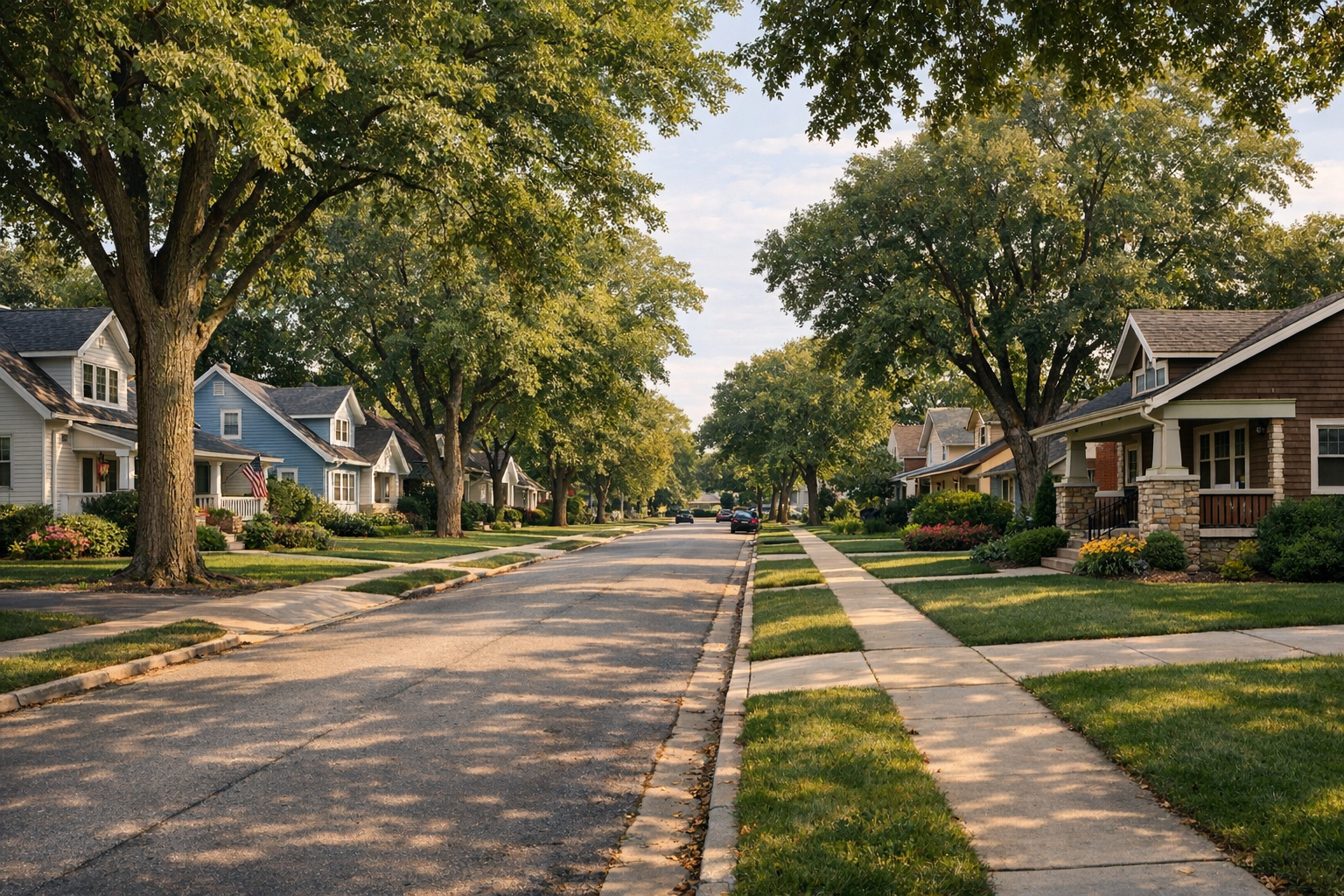
Stony Brook is a well-established Jeffersontown neighborhood with a mix of older and newer homes, tree-lined streets, and fenced backyards. Its location — close to shopping centers, parks, and major roads, but with a residential feel — puts it right in the middle of the kind of suburban-wildlife interface that generates consistent wildlife problems.
Squirrels are the most frequent complaint we hear from Stony Brook homeowners. The mature trees throughout the neighborhood give squirrels easy access to rooftops, and older homes in the area often have small gaps in soffits, vents, and around additions that have developed over time. Once squirrels find their way into an attic, they can cause significant damage — chewing through wiring, tearing up insulation, and leaving behind droppings and nesting material that can create odor and health concerns.
Raccoons are the second most common issue. Stony Brook's proximity to commercial corridors along Taylorsville Road and other nearby shopping areas means there's a steady supply of food waste that keeps raccoon populations active and well-fed. These animals move between neighborhoods and shopping areas at night, and they're smart enough to remember which yards have accessible trash cans, pet food, or bird feeders. Once a raccoon has found a reliable food source near your home, it will keep coming back.
Moles and groundhogs are a yard-level problem that many Stony Brook homeowners deal with. Homes that back up to green space, drainage corridors, or retention areas see regular traffic from burrowing animals. Moles tunnel under lawns in search of grubs and earthworms, leaving raised ridges and soft spots that can damage grass and make mowing difficult. Groundhogs dig larger burrows under sheds, decks, and along fence lines — and their burrows can undermine structures over time.
Common Wildlife Problems in Stony Brook
Stony Brook's location near commercial corridors and green spaces creates a mix of attic and yard wildlife problems.
Squirrels
Squirrels use the mature trees and rooflines of Stony Brook to enter attics and soffits. They're frequently heard running and chewing above ceilings, especially in older homes with small gaps around vents and additions.
View Details →Raccoons
Raccoons are attracted to trash, pet food, and the nearby commercial areas around Jeffersontown. They move between neighborhoods and shopping areas at night, and they're persistent enough to return to any reliable food source.
View Details →Moles & Groundhogs
Moles and groundhogs tunnel under lawns, sheds, and decks in Stony Brook, creating soft spots and burrow openings. They're especially common in yards that back up to green space or drainage corridors.
View Details →The Stony Brook Wildlife Challenge
What makes Stony Brook particularly interesting from a wildlife management perspective is the combination of factors at play. You have an established residential neighborhood with mature trees and older homes — which creates attic and structural entry point vulnerabilities. You have proximity to commercial corridors — which provides a steady food supply that keeps wildlife populations active. And you have some homes backing up to green spaces and drainage corridors — which provides wildlife with easy movement routes into the neighborhood.
The result is that Stony Brook homeowners often deal with wildlife problems from multiple directions at once. The squirrel in your attic came from the trees in your yard. The raccoon raiding your trash came from the restaurant dumpster two blocks away. The groundhog under your deck came from the drainage corridor behind your fence. Each problem has a different source and requires a different solution — and that's exactly the kind of nuanced, property-specific approach we take.
Neighborhood Characteristics
- ✓Mix of older and newer homes with tree-lined streets
- ✓Close to shopping centers, parks, and major roads
- ✓Fenced backyards and established landscaping
- ✓Some homes backing up to green space or drainage corridors
Wildlife Risk Factors
- !Proximity to commercial corridors provides steady food sources
- !Backyards bordering green spaces see regular animal traffic
- !Small construction gaps around additions can become entry points
- !Mature trees provide wildlife easy access to rooftops
Frequently Asked Questions
How do I know if moles or groundhogs are causing my yard damage?
Moles create raised ridges and tunnels just below the surface of your lawn. Groundhogs dig larger, more obvious burrow openings — usually 10-12 inches in diameter — near structures or along fence lines. We can identify which animal is responsible during an inspection.
Will raccoons come back after you remove them?
If we only trap and remove the raccoon without addressing the attractants and entry points, yes — new raccoons will likely move in. Our approach includes identifying and eliminating what's drawing them to your property, which is the key to long-term success.
How quickly can you respond in Stony Brook?
We're in Jeffersontown regularly and can typically provide same-day or next-day service. For urgent situations, we prioritize fast response.
Need Wildlife Help in Stony Brook?
Whether it's squirrels in your attic or groundhogs in your yard, we have the expertise to solve it. Call us today.
Serving Stony Brook and all of Jeffersontown · Licensed & Insured · Humane Wildlife Removal